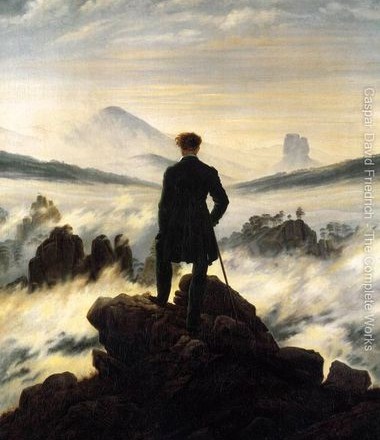
Caspar David Friedrich (September 5, 1774 – May 7, 1840) was a landscape painter of the nineteenth-century German Romantic movement, of which he is now considered the most important painter. A painter and draughtsman, Friedrich is best known for his later allegorical landscapes, which feature contemplative figures silhouetted against night skies, morning mists, barren trees, and Gothic ruins. His primary interest as an artist was the contemplation of nature, and his often symbolic and anti-classical work seeks to convey the spiritual experiences of life.
Friedrich was born in Greifswald in northern Germany in 1774. He studied in Copenhagen until 1798 before settling in Dresden. He came of age during a period when, across Europe, a growing disillusionment with an over-materialistic society led to a new appreciation for spiritualism. This was often expressed through a reevaluation of the natural world, as artists such as Friedrich, J. M. W. Turner and John Constable sought to depict nature as a “divine creation, to be set against the artifice of human civilization”.
Although Friedrich was renowned during his lifetime, his work fell from favour during the second half of the nineteenth century. As Germany moved towards modernisation, a new urgency was brought to its art, and Friedrich’s contemplative depictions of stillness were seen as the products of a bygone age. His rediscovery began in 1906 when an exhibition of 32 of his paintings and sculptures was held in Berlin. During the 1920s his work was appreciated by the Expressionists, and in the 1930s and 1940s, the Surrealists and Existentialists frequently drew on his work. Today he is seen as an icon of the German Romantic movement, and a painter of international importance.
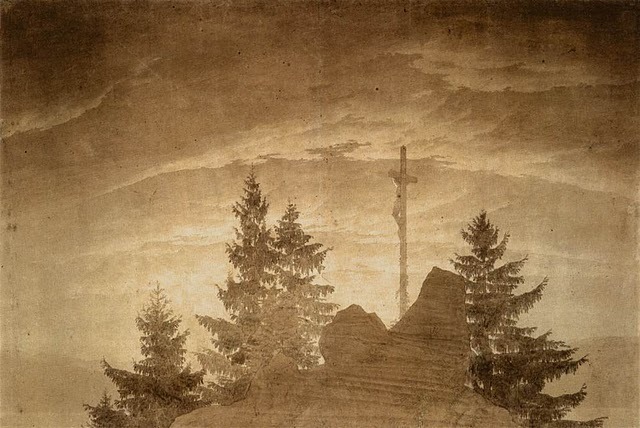
The Cross in the Mountains (1807)
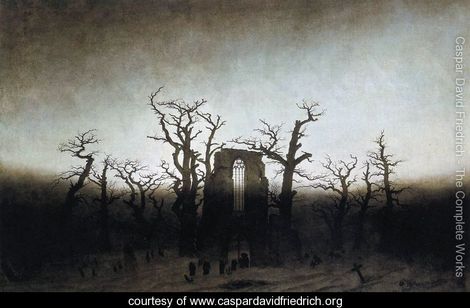
The Abbey in the Oakwood (1808–10)
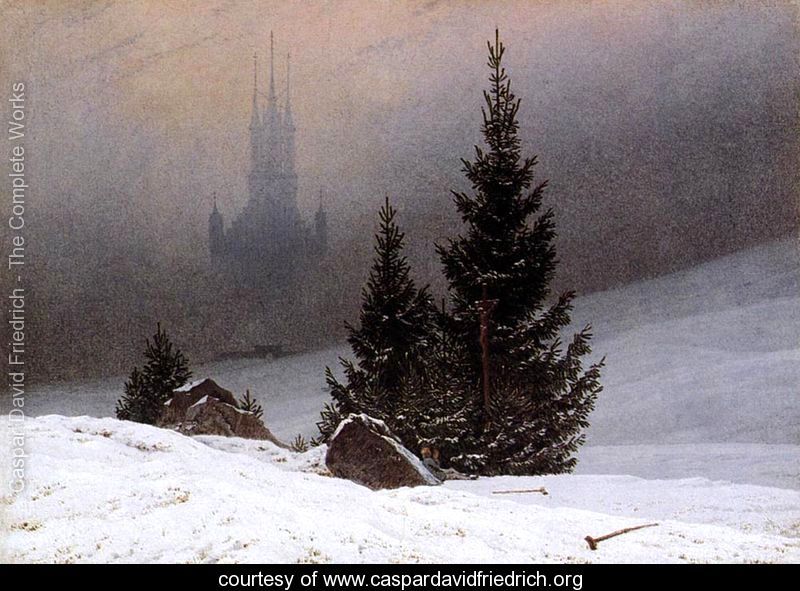
Winter Landscape (1811)
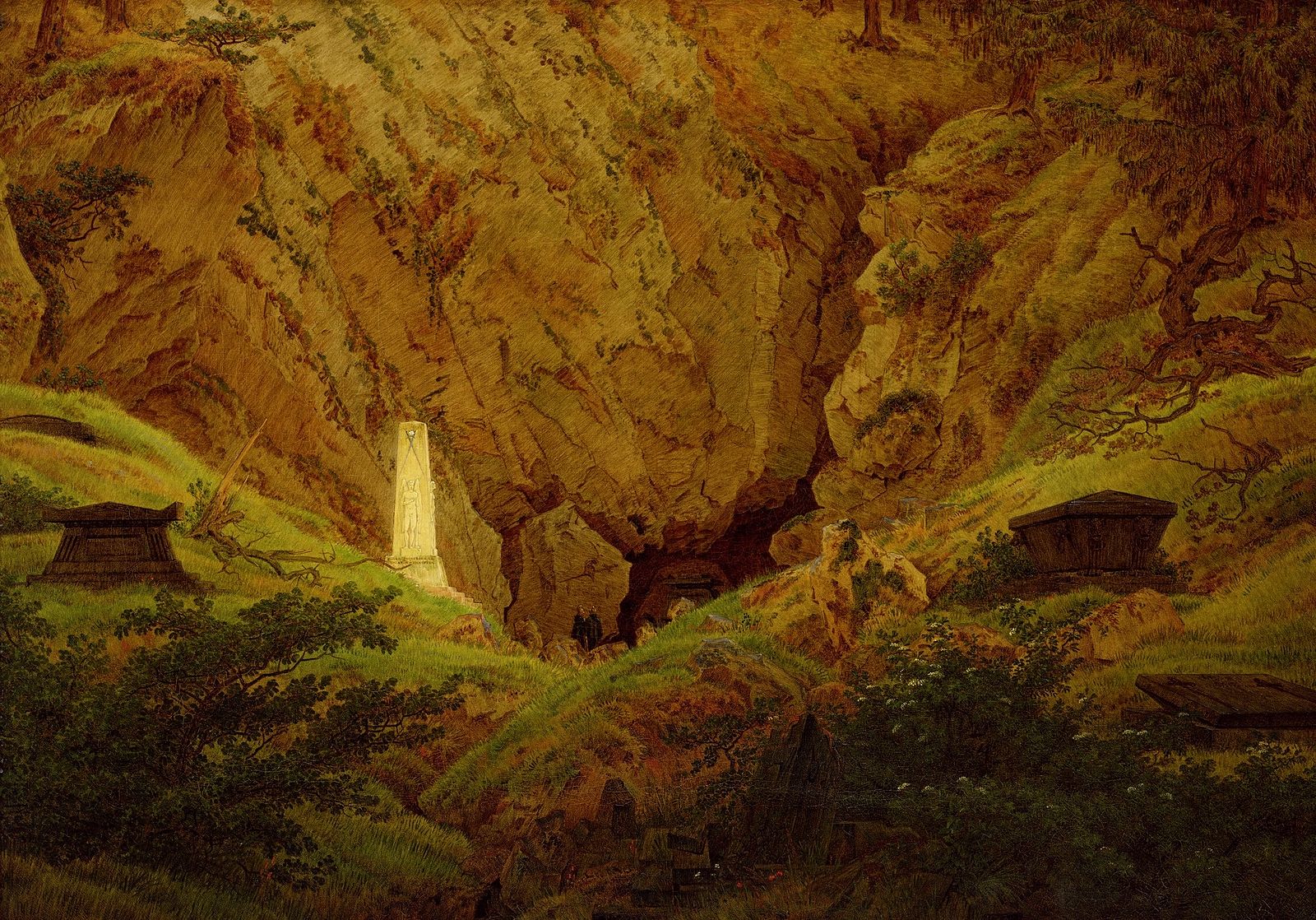
Old Heroes’ Graves (1812)
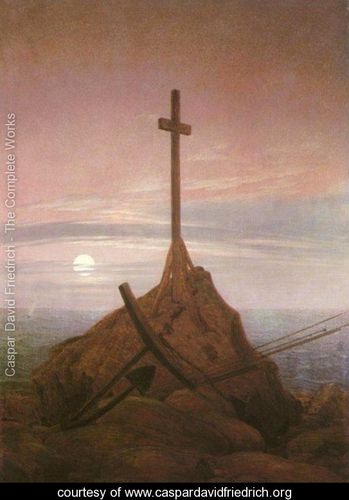
The Cross onThe Baltic (1815)
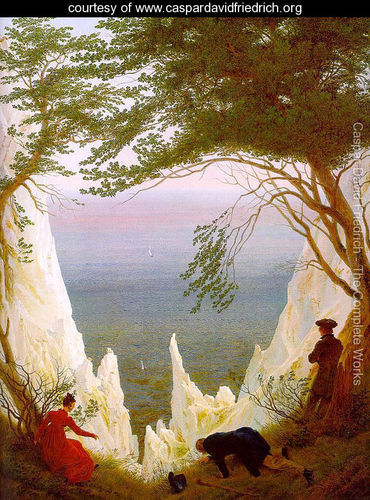
Chalk Cliffs on Rugen (1818)
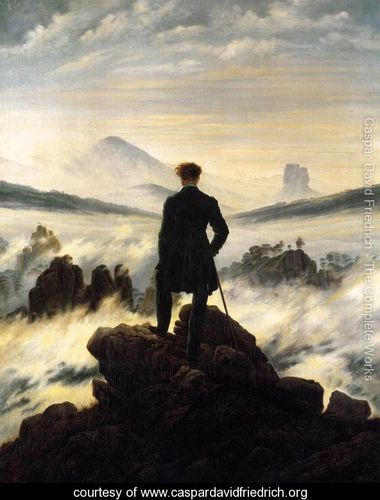
The Wanderer Above the Sea of Fog (1818)
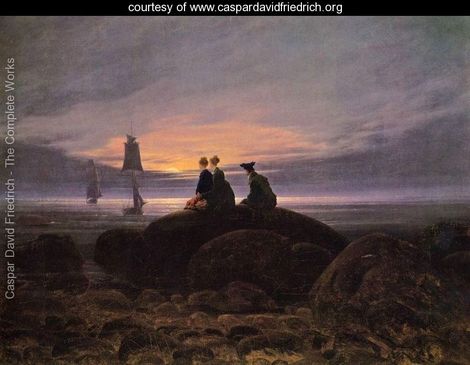
Moonrise Over the Sea (1822)
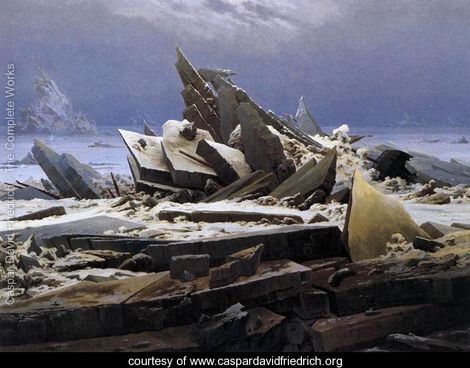
The Sea of Ice (1823–24)
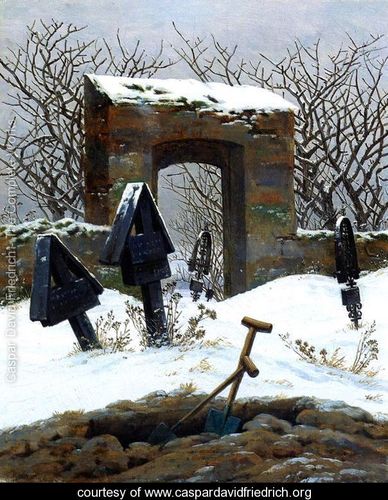
Graveyard under Snow (1826)
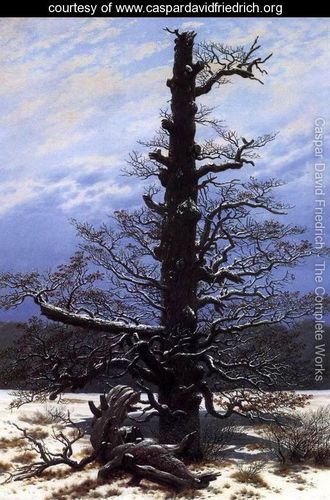
The Oak Tree in the Snow (1829)
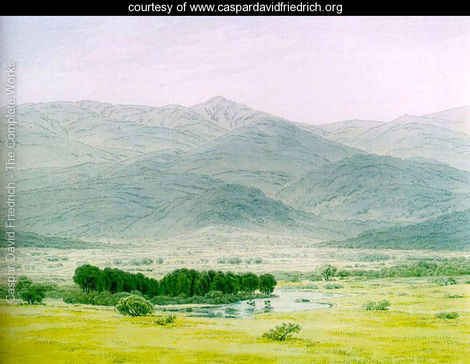
Landscape at Riesengebirge (1830)
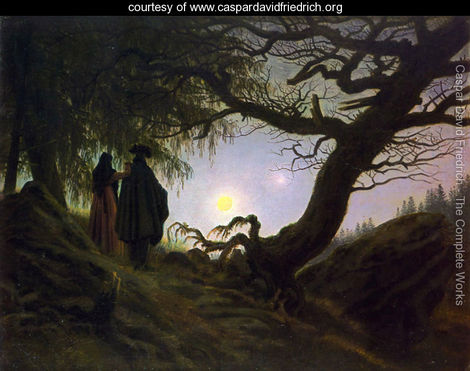
Man and Woman Contemplating the Moon (1835)
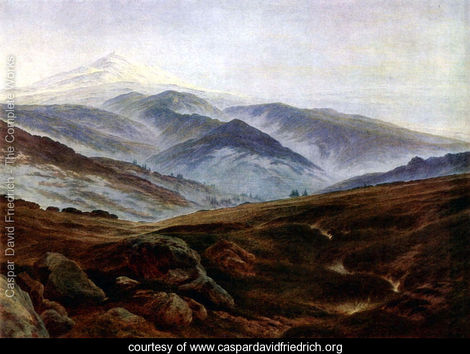
The Giant Mountains (1830–35)
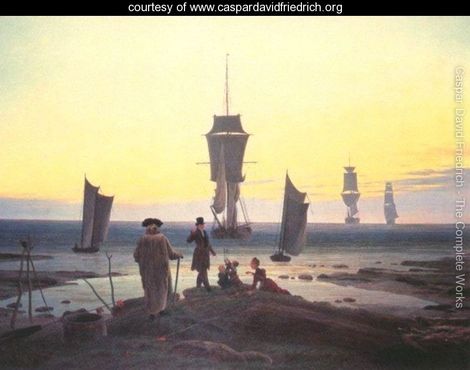
The Stages of Life (1835)
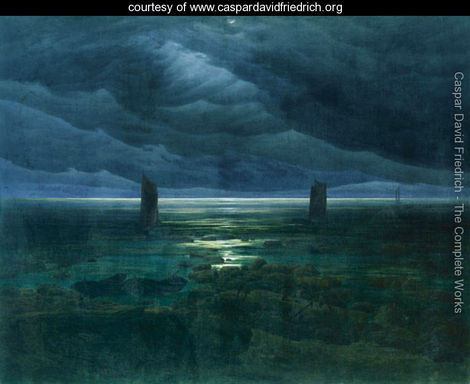
Seashore by Moonlight (1835–36)
ty739u
m9qvge
k2f4ne